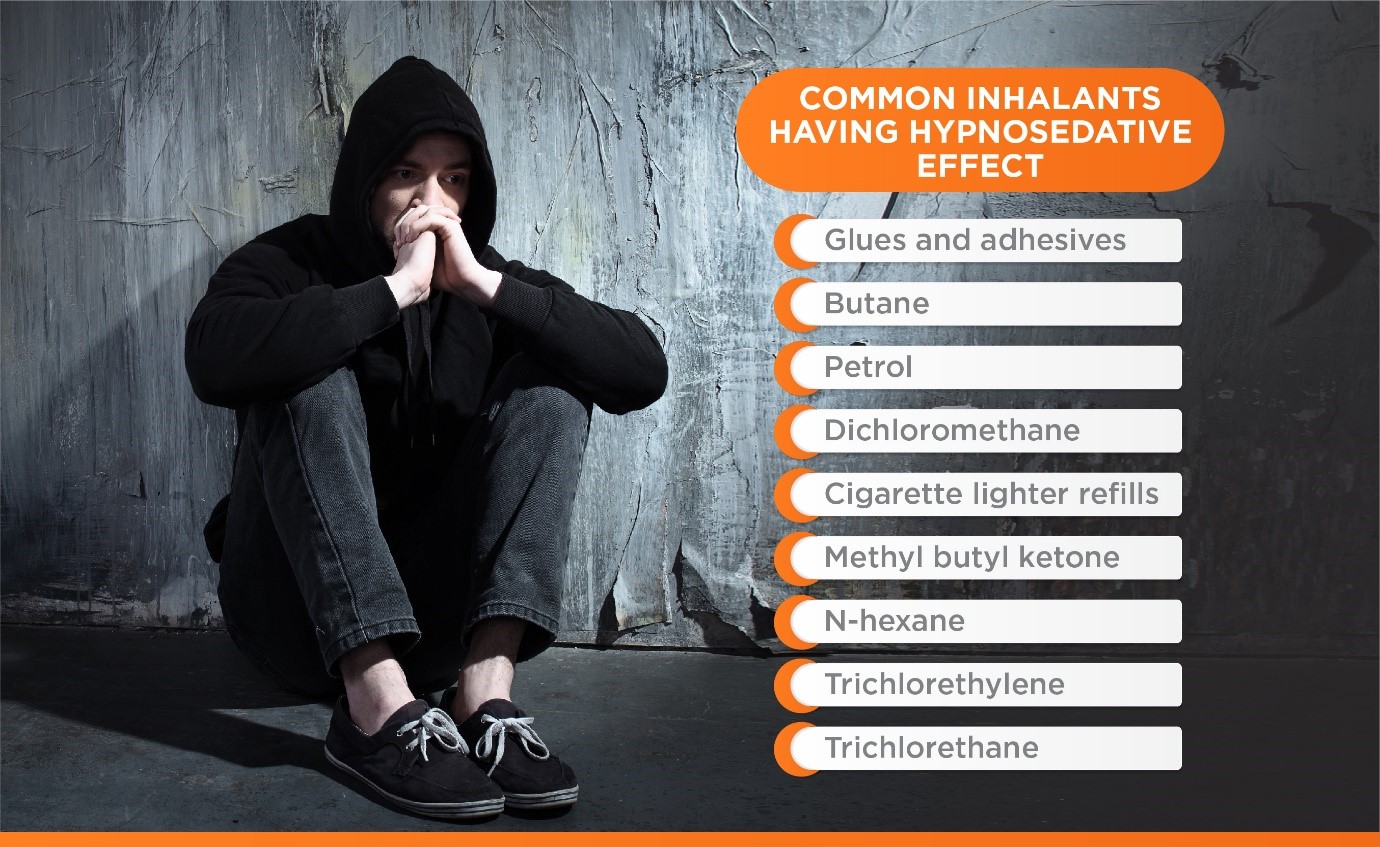
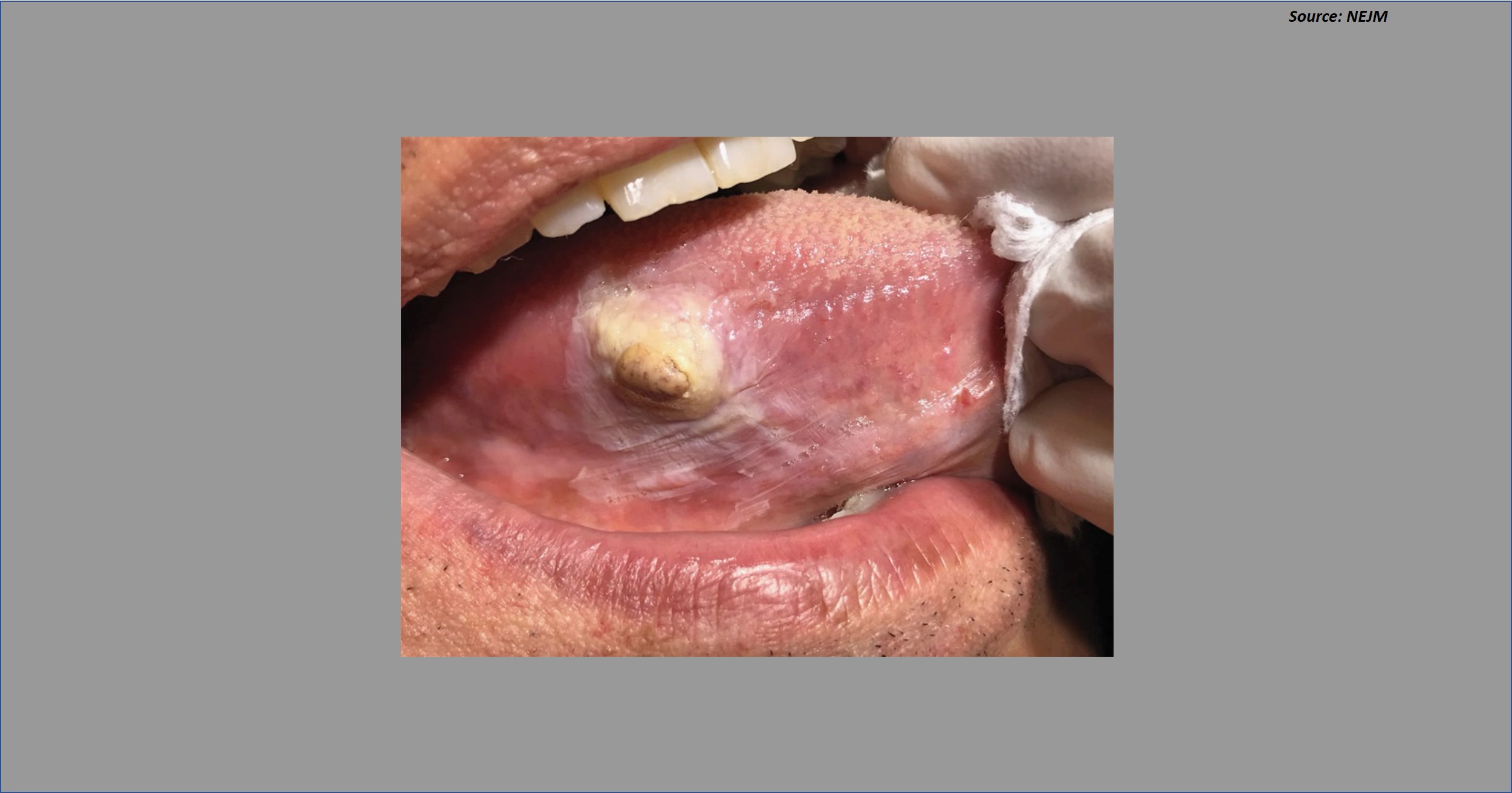
Volatile substance abuse (VSA), the intentional inhalation of volatile substances for its euphoric effects, is a growing concern, especially among adolescents, as being inexpensive, easily obtainable, and attractively packaged, are usually the first substances that are abused.1 Solvents from contact glues and adhesives (toluene), butane, petrol (gasoline), dichloromethane, cigarette lighter refills (volatile hydrocarbons), methyl butyl ketone, n-hexane, trichlorethylene, and trichlorethane are common inhalants with effects similar to hypnosedatives. 1 Among inhalants, paint thinners and glues are frequently abused, and nasal and respiratory failures are the most serious acute effects.2 Huffing, bagging, dusting, glading, and sniffing are the various methods of inhalational abuse.3 VSA has been reported across the world, especially among adolescents in remote communities.2 One such case…
Nasal And Respiratory Symptoms And Its Link To Volatile Substance Abuse In Adolescents

Divya Prabhat
ENT Specialist (MS, DORL, DNB, FICS)