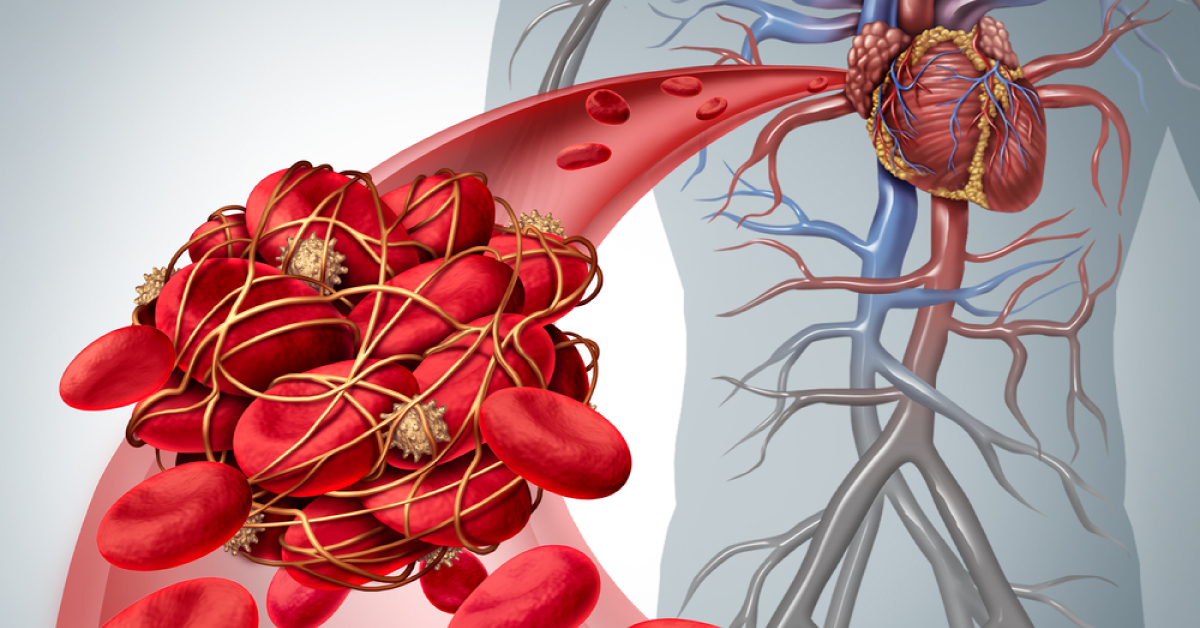
Blood clots in veins and arteries can lead to heart attack, stroke and pulmonary embolism and now a team of scientists has come up with a method of detecting the likelihood of small thrombi better than the current tests. In the study, German researchers show that targeting GPIIb/IIIa receptors, the key receptor involved in platelet clumping, with a fluorine-18 (18F) labelled a ligand is a promising approach for diagnostic imaging. Current imaging modalities rely on structural characteristics, such as vascular flow impairment, and do not address the critical molecular components.
"Currently available diagnostic techniques of thrombus (blood clot) imaging rely on different modalities depending on the vascular territory," explained by the researcher. "A single imaging modality that could visualise thrombi from various sources in different anatomic regions would be very valuable. "For this…