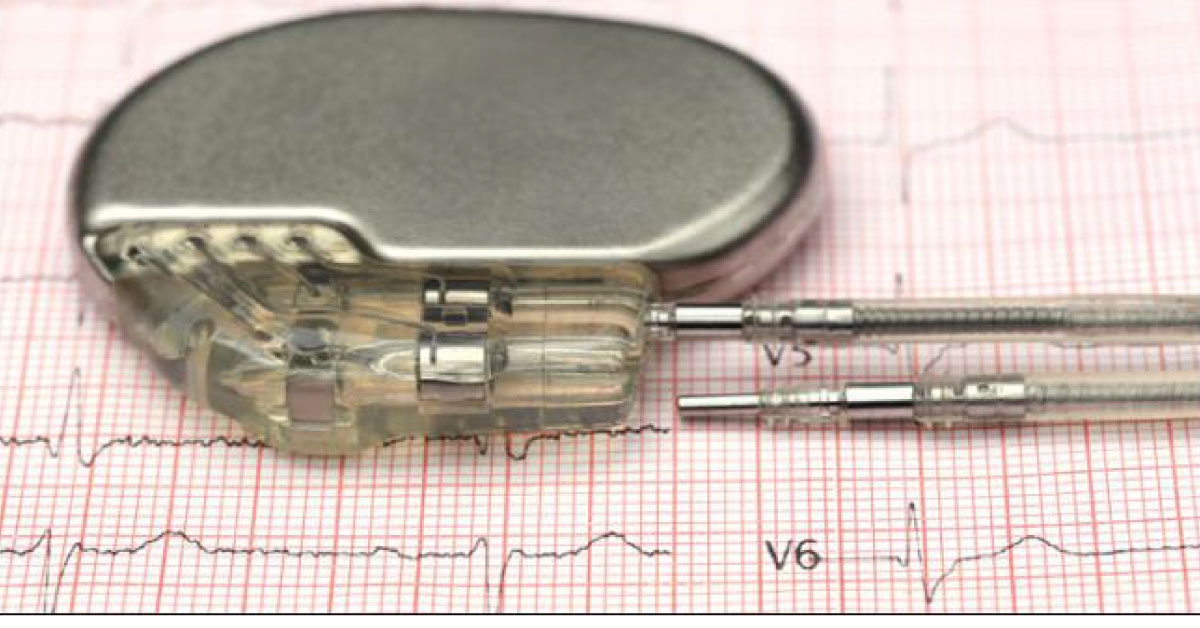
Scientists have developed a new energy storage device which operates using fluids in the human body, and could lead to longer-lasting, battery-free pacemakers and other implantable medical devices.The bio-friendly energy storage system called biological super-capacitor is powered by charged particles, or ions, from the body's fluids like blood serum and urine. Pacemakers - which help regulate abnormal heart rhythms - and other implantable devices have saved countless lives.However, they are powered by traditional batteries that eventually run out of power and must be replaced, meaning another painful surgery and the accompanying risk of infection.In addition, batteries contain toxic materials that could endanger the patient if they leak.
Now, researchers from University of California, Los Angeles (UCLA) and the University of Connecticut in the US propose storing energy in those devices…