
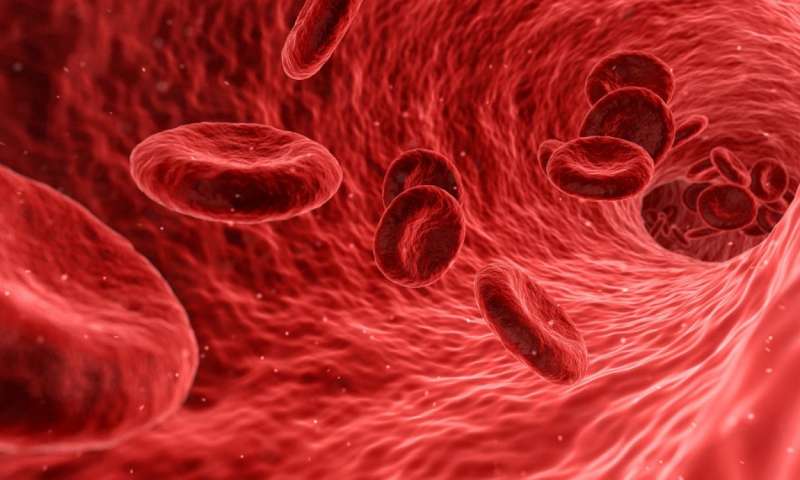
In a new Yale-led study, investigators have revealed previously unknown factors that contribute to the hardening of arteries and plaque growth, which cause heart disease. Their insight is the basis for a promising therapeutic approach to halt and potentially reverse plaque buildup and the progression of disease, the researchers said. The study was published online by Nature Metabolism. Current treatments for plaque and hardened arteries, a condition known as atherosclerosis, can slow but not improve the disease.
Experts believe that may be due to ongoing inflammation in blood vessels. To understand the factors contributing to this inflammation, the research team focused on a group of proteins, called transforming growth factor beta (TGFß), that regulates a wide range of cells and tissues throughout the body. Using cultured human cells, the researchers discovered that TGFβ proteins…