
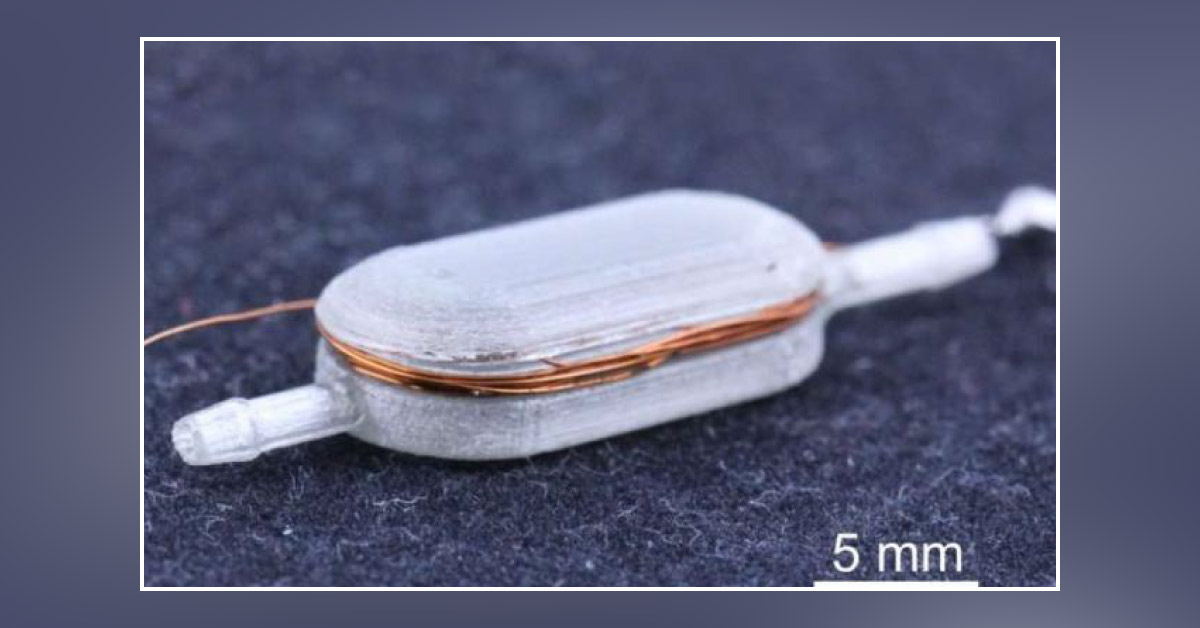
One in every 500 children is born with pediatric hydrocephalus. In these children, the pressure from the fluid can bring on splitting headaches and, if left untreated, can cause brain damage or death. In these patients, doctors impact shunts, a type of tube that acts as plumbing to drain excess cerebrospinal fluid from the brain into the patient's stomach, where it is reabsorbed. But sometimes shunts develop problems, and it's difficult to detect hydrocephalus shunt failure before it causes a patient to suffer—which is a potential nightmare for a parent.
So USC Viterbi School of Engineering professors created a device that could tip off doctors about problems with the shunts, in real time. Today their startup has patented technologies, developed at USC, for a "smart" shunt system that can sense trouble. "Neurosurgeons mentioned that their greatest 'pain' was the diagnosis of…