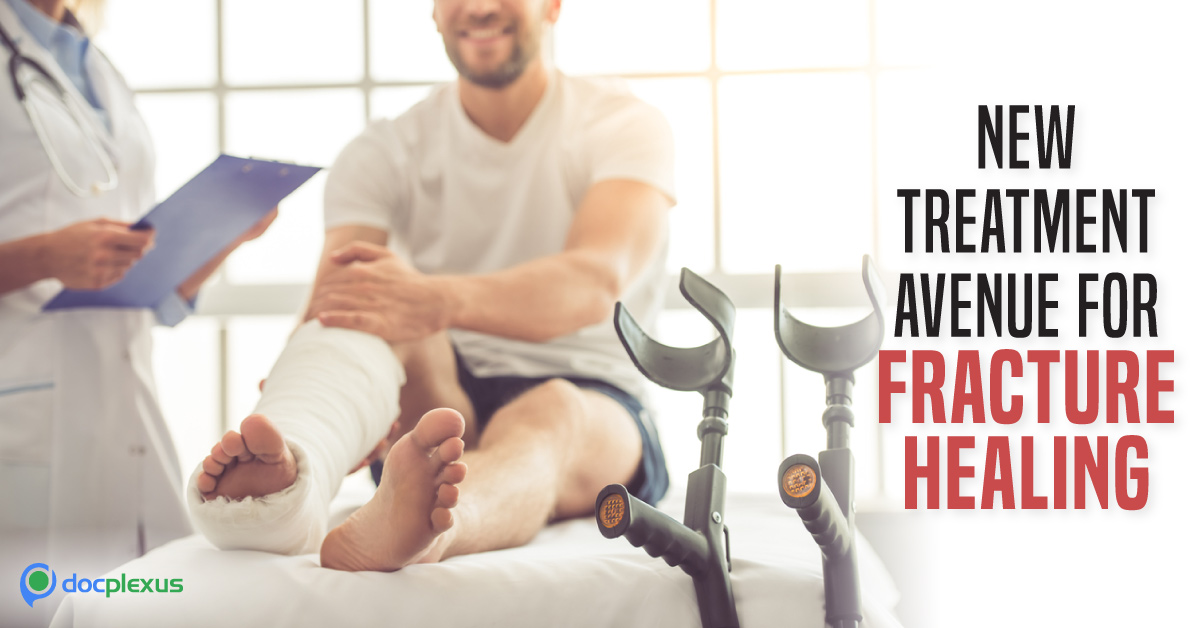
Bone differs from other tissues in its remarkable property to regenerate to its native conformation after a fracture. However, 5-10% of all fractures either fail to unite or delay in healing, contributing to the high rate of morbidity and economic burden. Improved understanding of the molecular and cellular events involved in bone repairing and remodeling has paved the way for the development of biologic agents or adjuvants that can augment the process of fracture healing.
Diabetes, use of non-steroidal anti-inflammatory drugs (NSAIDs) and motor vehicle accidents are the potential risk factors that contribute to an increased risk of fracture-healing complications. Mechanical stability, as well as the presence of a viable physiological microenvironment at the fracture site, are the essential prerequisites for a successful fracture repairing and healing process. The fracture healing…