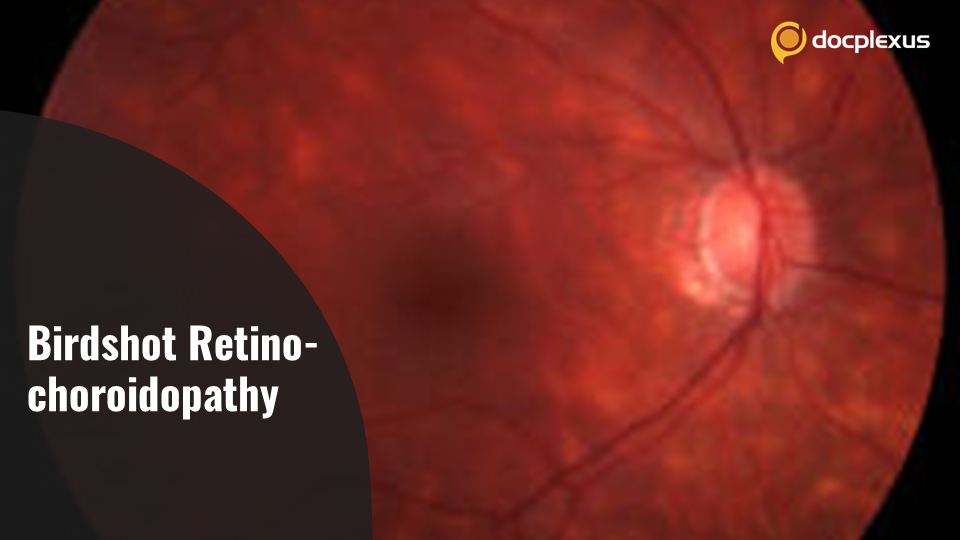
Birdshot retinochoroidopathy (BSRC), also known as birdshot uveitis/birdshot retinopathy/HLA-A29 uveitis, is a rare, chronic, bilateral, posterior uveitis characterized by vitritis and multiple orange to cream colored and hypopigmented ovoid spots. These spots are mainly observed in the retina's posterior pole and mid periphery. The disease has a strong genetic association and can lead to vision loss and blindness.
Epidemiology Given its rare incidences, not much data is available on the true national or global prevalence of the disease. Generally, BSRC accounts for 0.6%–1.5% of cases referred to specialty uveitis centers or 6–7% of those with posterior uveitis. Some characteristics of the disease include: Seen almost exclusively in the Caucasian population Mean onset age of 53 years A slight female preponderance ranging from 51.7%–72.7% Etiology Though the exact cause of BSRC is…