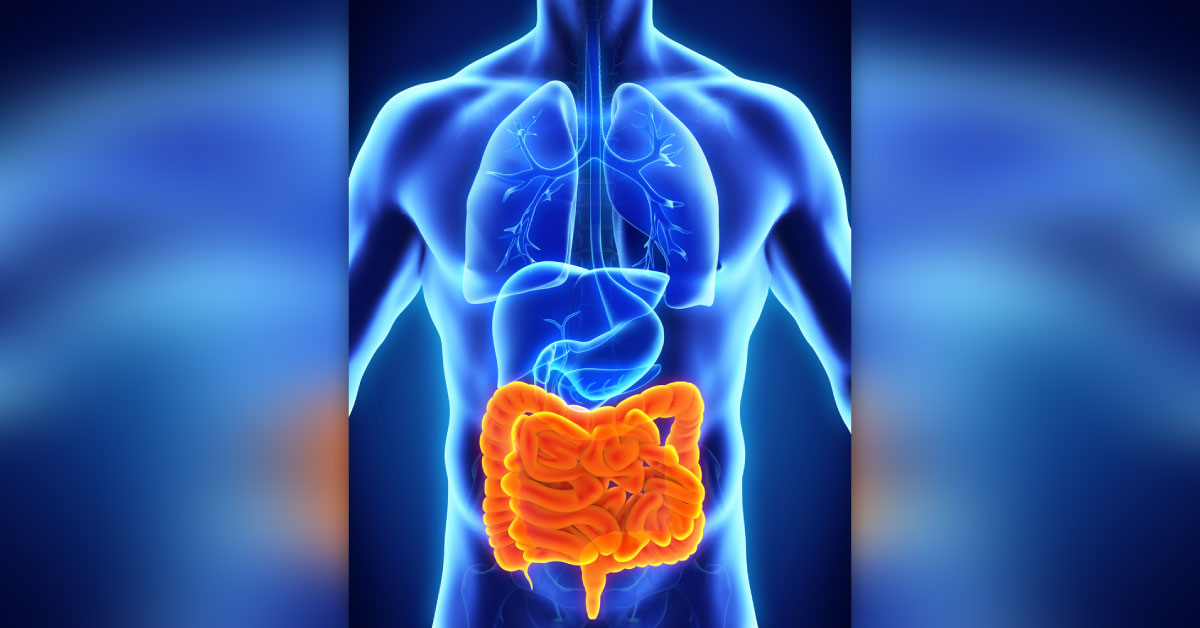
Fecal transplants from young to aged mice can stimulate the gut microbiome and revive the gut immune system, a study by immunologists at the Babraham Institute, Cambridge, has shown. The research is published in the journal Nature Communications today. The gut is one of the organs that is most severely affected by aging and age-dependent changes to the human gut microbiome have been linked to increased frailty, inflammation, and increased susceptibility to intestinal disorders.
These age-dependent changes to the gut microbiome happen in parallel with a decrease in function of the gut immune system but, until now, it was unknown whether the two changes were linked. "Our gut microbiomes are made up of hundreds of different types of bacteria and these are essential to our health, playing a role in our metabolism, brain function, and immune response," explains lead researcher Dr. Marisa…