
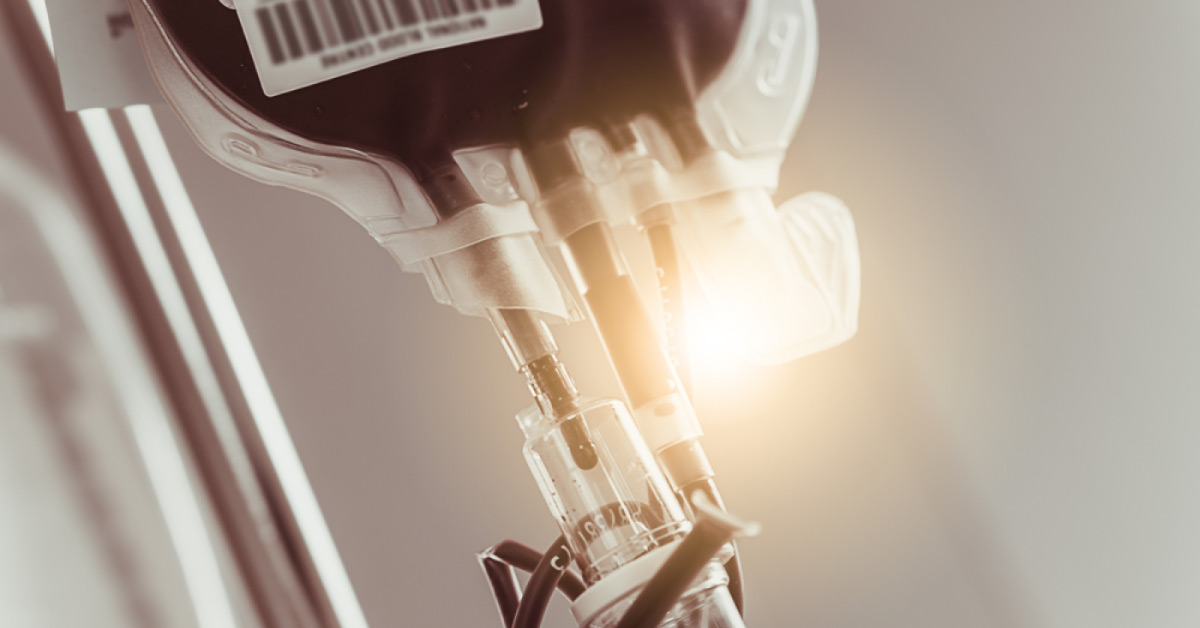
For transfusion-dependent beta-thalassemia (lifelong TDBT), chronic blood transfusion remains one of the most feasible options. The process is, however, associated with a number of serious risks and complications. A number of recent reports have suggested that the use of an oral chemotherapeutic drug, hydroxyurea (HU), can reduce the burden of transfusion and complications by elevating the level of hemoglobin. HU is a fetal hemoglobin inducer and has shown beneficial effects in thalassemia management in several studies. It has also been reported to be well tolerated in patients.
However, the use of HU in the long term TDBT management is currently overlooked by most guidelines. Source: Ali H. Algiraigri, Nicola A.M. Wright, Elizabeth Oddone Paolucci & Aliya Kassam (2017) Hydroxyurea for lifelong transfusion-dependent β-thalassemia: A meta-analysis, Pediatric Hematology and…