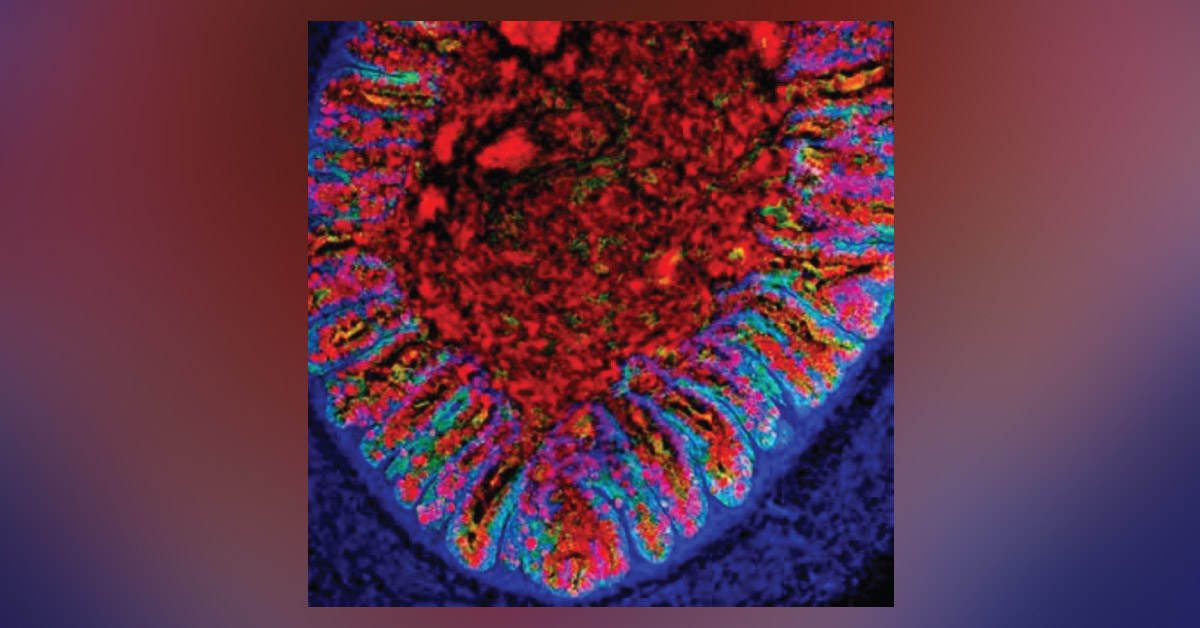
Scientists used human pluripotent stem cells to generate human embryonic colons in a laboratory that function much like natural human tissues when transplanted into mice, according to new research. The study is believed to be the first time human colon organoids have been successfully tissue engineered in this manner, according to researchers who led the project. The technology allows diseases of the colon to be studied in unprecedented detail in a human modelling system.
It also comes with the potential to one day generate human gastrointestinal (GI) tract tissues for transplant into patients, according to PhD, senior study investigator and director of the Cincinnati Children's Pluripotent Stem Cell Center. "Diseases affecting this region of the GI tract are quite prevalent and include ailments like colitis, colon cancer, Irritable Bowel Syndrome, Hirschsprung's disease and polyposis…