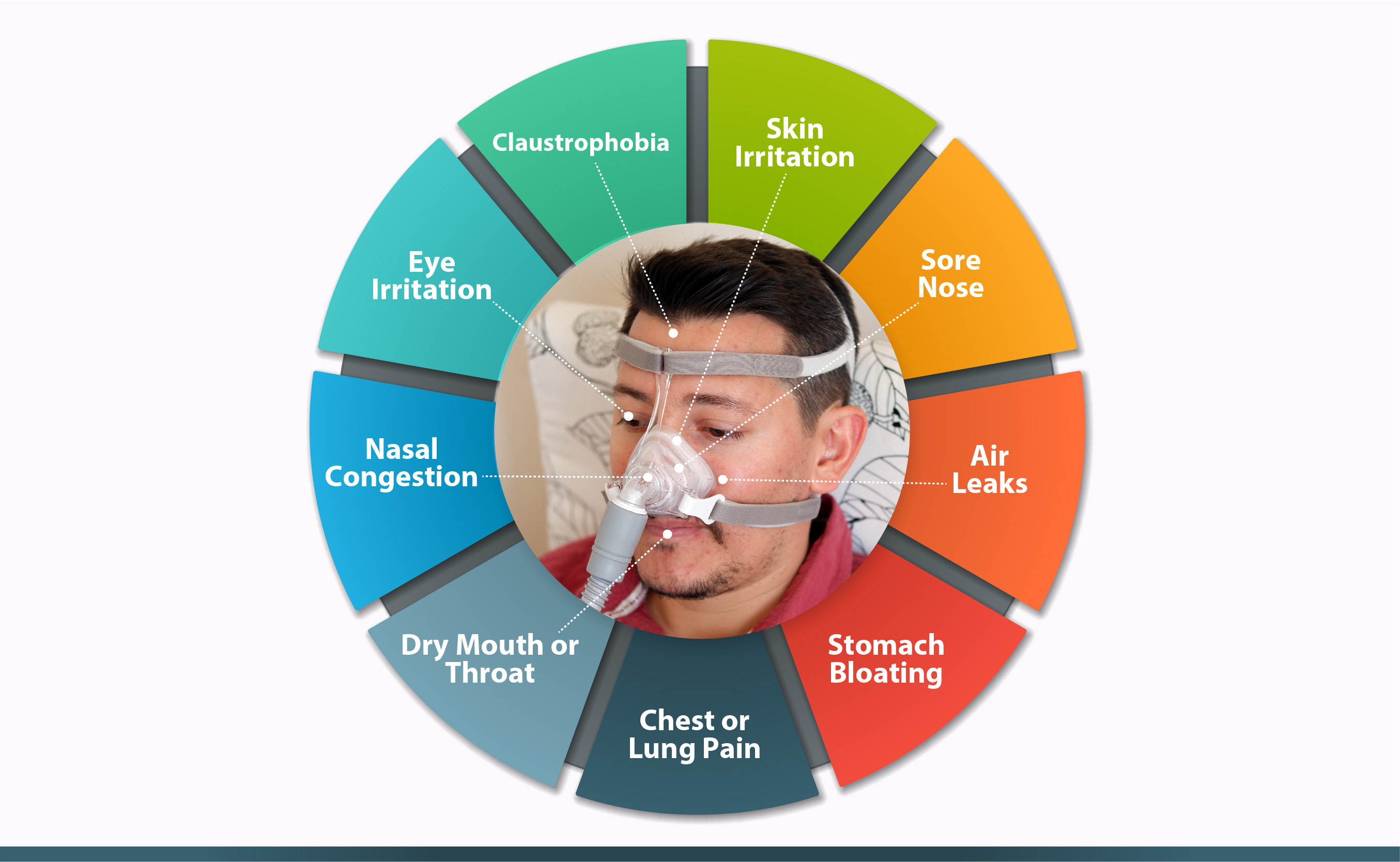
Continuous positive airway pressure (CPAP), the first-line treatment for moderate to severe obstructive sleep apnea (OSA), is associated with several side effects, particularly nasal congestion, irritation, rhinorrhea, and mucosal dryness, and consequently, low therapeutic compliance and tolerance that is observed in 15-45% of patients. 1,2 Increased nasal resistance (NR) results in opening of the mouth and premature removal of the CPAP mask, thereby limiting its therapeutic benefit in patients with OSA. 3 Nasal anatomy, the nasal cycle, and positional nasal congestion contribute to NR.
1 During sleep, there is a mild increase in NR and a significant increase in the total upper airway resistance due to transpalatal and hypopharyngeal resistances. 1 Additionally, in the supine position, there is an increase in the central venous pressure, which subsequently increases the filling…