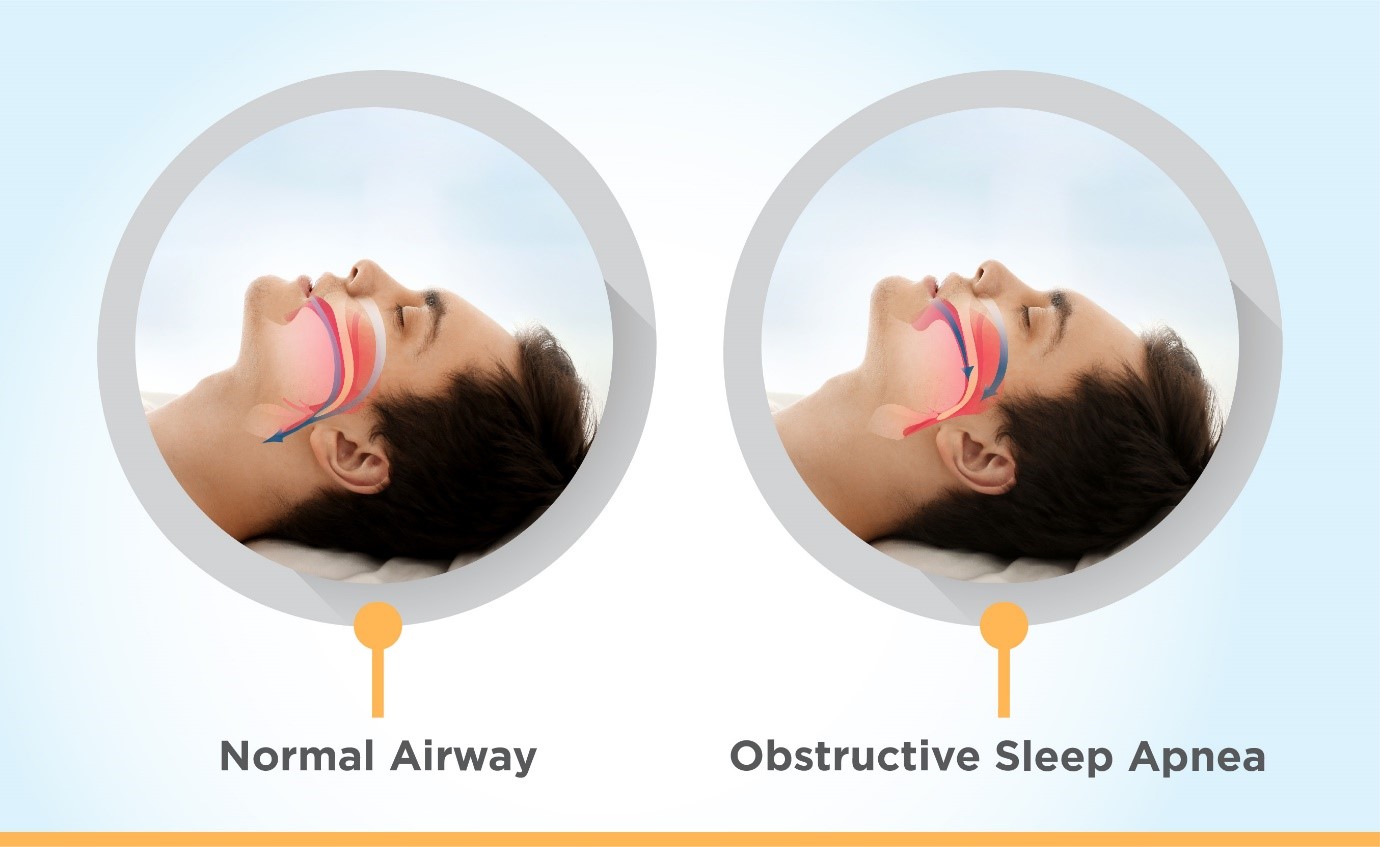
A link between nasal obstruction/congestion and obstructive sleep apnea syndrome (OSAS) has been reported in several studies. 1 The role of nasal pathology in OSAS has been explained by several pathophysiological mechanisms, including the Starling resistor model, the unstable oral airway, the nasal ventilatory reflex, and the role of nitric oxide (NO). 1 According to the Starling resistor model, negative oropharyngeal pressure (suction force) is caused by increased nasal resistance, which also leads to increased oral breathing and, subsequently, an unstable oral airway.
Less activation of nasal receptors due to a decrease in nasal airflow leads to inhibition of muscle tone, respiratory rate, and minute ventilation (nasal ventilatory reflex). A decrease in nasal airflow also leads to decreased inhalation of nitric oxide (NO) and a lower concentration of pulmonary NO with reduced…