
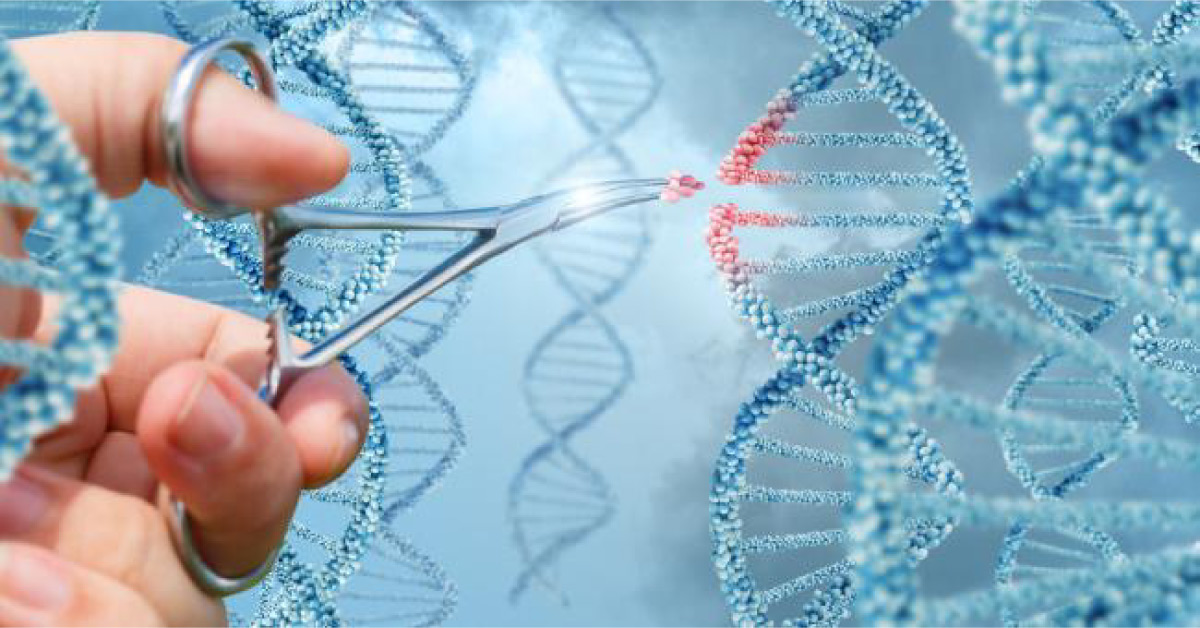
Researchers from the University of Chicago, using CRISPR, have edited the skin stem cells from newborn mice which prompted the cells to secrete glucagon-like peptide 1 (GLP1). Scientists have claimed that a new form of gene therapy via skin transplants can help improve treatments for Type-2 diabetes and obesity. GLP 1 Hormone that stimulates the pancreas to secrete insulin and regulates blood sugar.
The cells, when transplanted onto mice, showed the grafts increased insulin secretion and reversed weight gain from a high-fat diet, as well as overturned insulin resistance. Xiaoyang Wu, Assistant Professor at the University of Chicago said, "We resolved some technical hurdles and designed a mouse-to-mouse skin transplantation model in animals with intact immune systems." Wu added, "We think this platform has the potential to lead to safe and durable gene therapy, in mice and we hope,…