
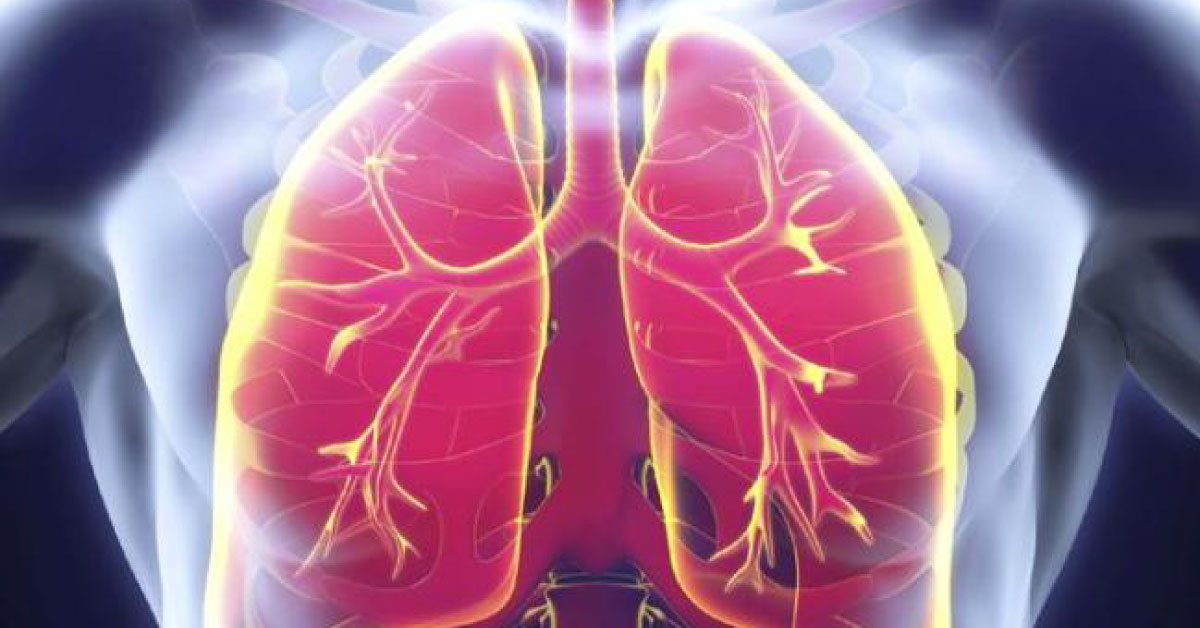
Researchers have discovered a key mechanism in the tuberculosis bacteria, which may lead to a novel drug target for potentially treating the disease.Mycobacterium tuberculosis (Mtb), which currently infects nearly 1.5 billion people and causes more than one million deaths each year, requires host lipids (cholesterol and fatty acids) to maintain infection. This is considered a defining characteristic of this pathogen and is thought to support the bacterium's ability to persist for long periods of time in hosts during both dormant (latent) and active infections. However, the mechanism of how Mtb absorbs the host's fatty acids has remained a mystery - until now.
Using a genetic screen, Brian VanderVen, Assistant Professor at the Cornell University in the US and colleagues studied genes involved in cholesterol metabolism. They identified lucA, which encodes a protein of unknown function. To…