
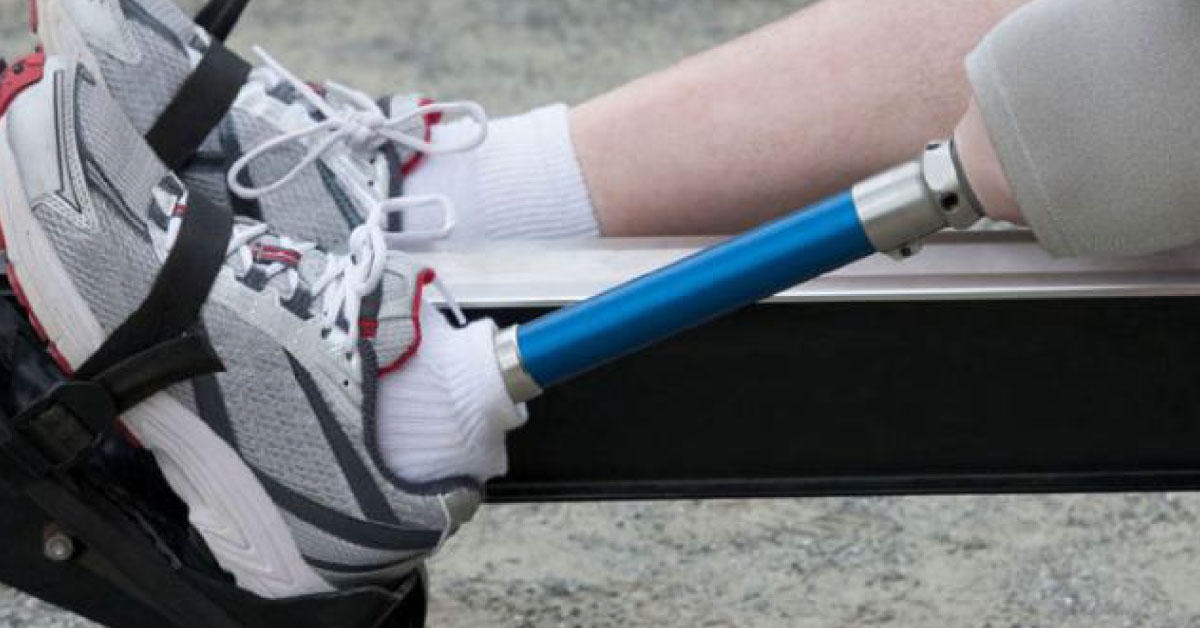
Scientists have developed a novel design approach for exoskeletons and prosthetic limbs that incorporates direct feedback from the human body. The approach will dramatically improve energy economy, speed and balance for millions of people, especially those with disabilities, researchers said. The technique, called human-in-the-loop optimisation, customizes walking assistance for individuals and significantly improves energy economy during walking.
The algorithm that enables this optimisation represents a landmark achievement in the field of biomechatronics - study of biology, mechanics, electronics and control."Existing exoskeleton devices, despite their potential, have not improved walking performance as much as we think they should," said , a professor at Carnegie Mellon University in the US. "We have seen improvements related to computing, hardware, and sensors, but the biggest…