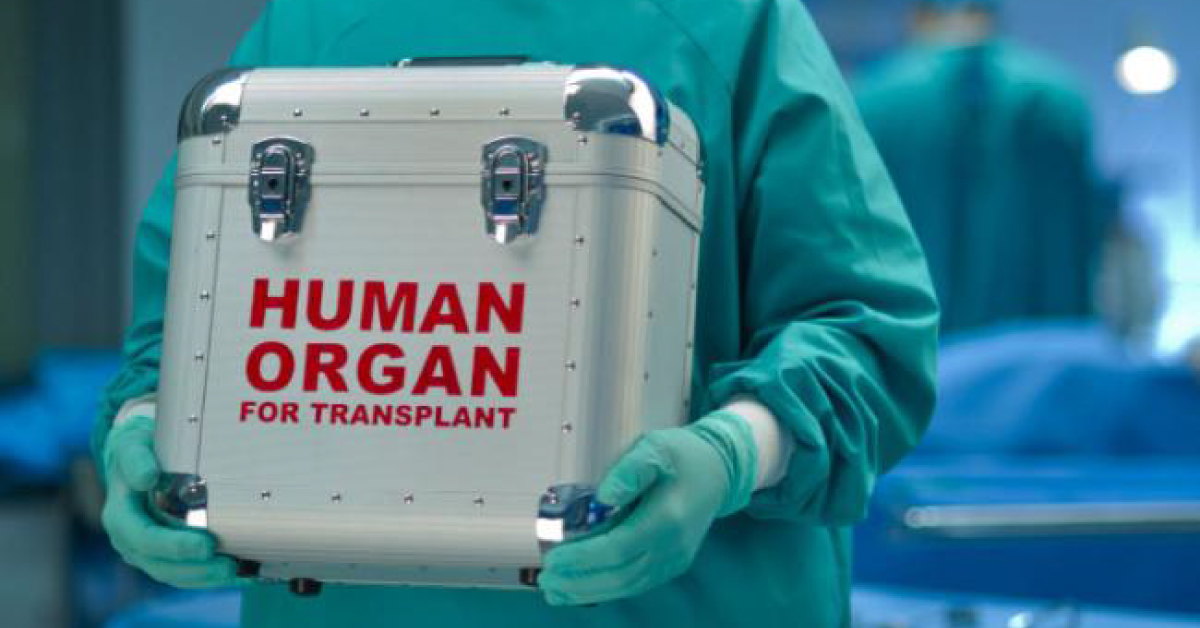
A new scientific advance can boost the number of donated organs available for transplant, and reduce a critical shortage that leads to thousands of deaths each year. Deep freezing organs and tissue through cryopreservation has been possible since 1980s, but rewarming them without cooking or destroying the tissue has proven difficult. Most donated organs can only last about four hours on ice.
Now, in a first, researchers at the University of Minnesota have discovered a way to thaw animal heart valves and blood vessels using a process called "nano-warming", said the report in Science Translational Medicine. The method works by dispersing silica-coated iron oxide nanoparticles throughout a cryoprotectant solution. "The iron oxide nanoparticles act as tiny heaters around the tissue when they are activated using non-invasive electromagnetic waves to rapidly and uniformly warm tissue at rates…