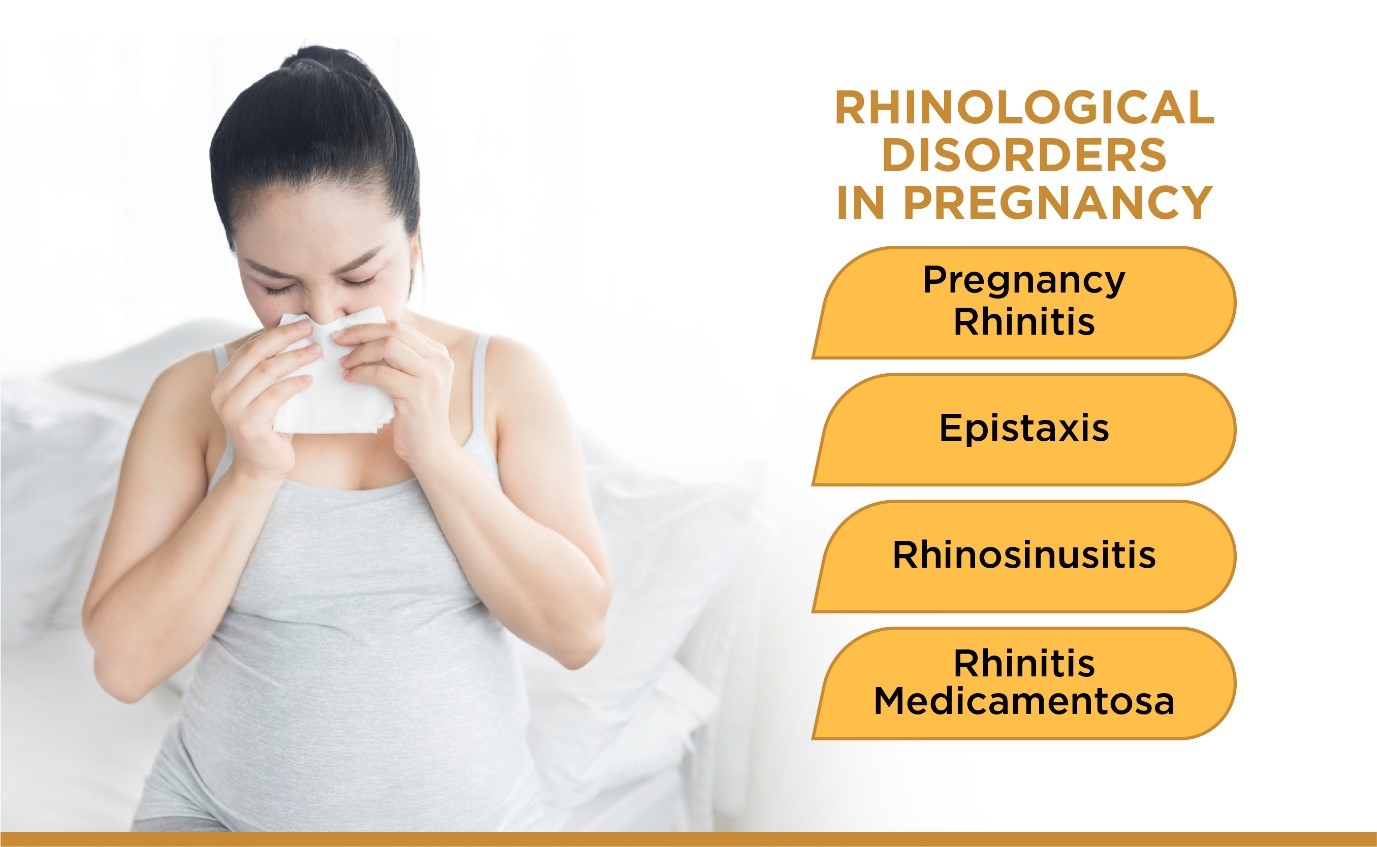
Pregnancy or gestational rhinitis is characterized by persistent nasal congestion, rhinorrhea, and sneezing throughout pregnancy without any allergy symptoms, infection, or tumor. 1 The nasal mucosa of a pregnant woman is histologically different from that of a non-pregnant woman due to direct and indirect effects on the pituitary gland by pregnancy hormones. 2 In pregnant women, nasal congestion may affect nasal breathing and quality of life (especially, the quality of sleep).
2 Impaired nasal breathing can cause increase in oral breathing, leading to decreased inhalation of nitric oxide (NO). Reduced pulmonary NO inhalation can affect vascular resistance and local oxygenation, which can be detrimental to both the mother and fetus, as it can cause maternal hypertension, intrauterine growth retardation, lower neonatal Apgar scores, and preeclampsia. 3 Additional complications…