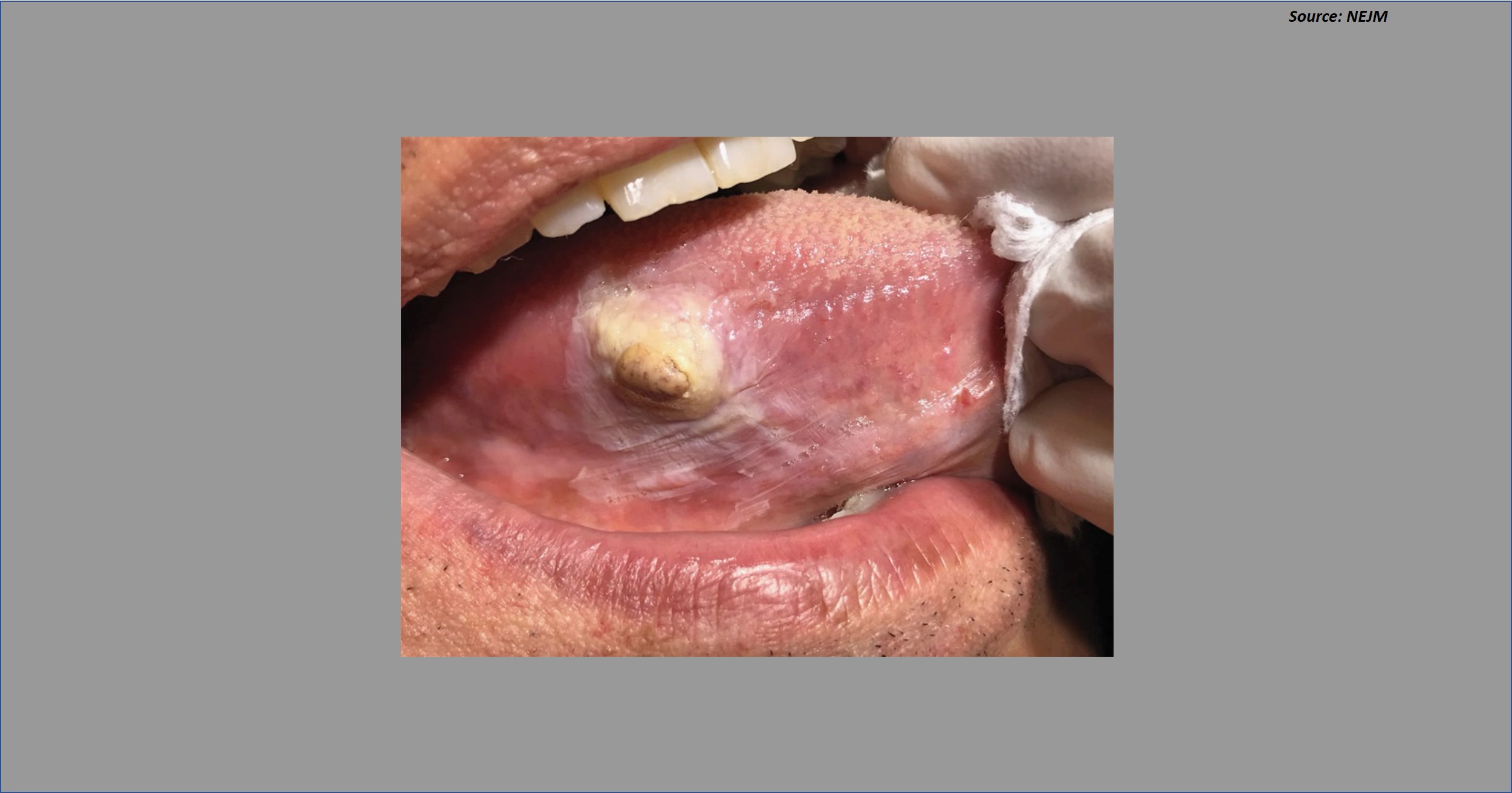
A compound in human saliva may promote wound healing by increasing the formation of blood vessels, an advance that could help design better approaches for treating injuries, scientists say. Researchers examined the effects of salivary peptide histatin-1 on angiogenesis or blood vessel formation, which is critical to the efficiency of wound healing.
They found that histatin-1 promotes angiogenesis, as well as cell adhesion and migration."These findings open new alternatives to better understand the biology underlying the differences between oral and skin wound healing," said the associate professor at the University of Chile."We believe that the study could help design better approaches to improve wound healing in tissues other than the mouth," the professor said. Researchers conducted experiments at three levels: endothelial, or blood vessel-forming, cells in culture; chicken embryos…